

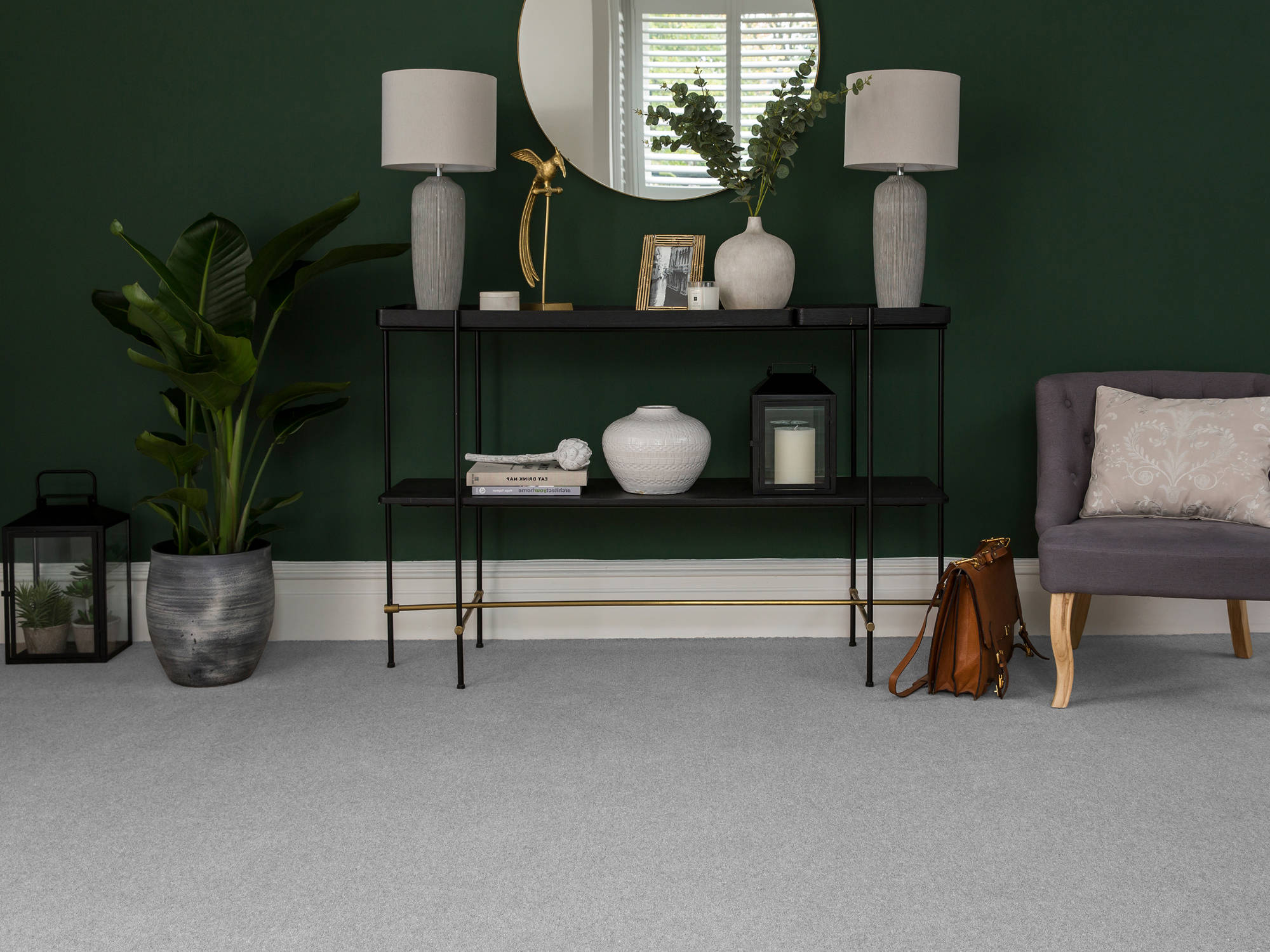
Nature Got There First — Why Wool Is the Smartest Floor You Can Choose
Millions of Years of Research. Zero Compromises.
Wool has been keeping sheep warm, dry and comfortable in some of the harshest conditions on earth for longer than human beings have been designing homes. It regulates temperature in bitter cold and scorching heat. It resists moisture. It recovers its shape after compression. It even resists flame naturally — without a single chemical treatment.
And then we put it on our floors and called it a luxury.
The truth is, wool isn't a luxury choice — it's a brilliantly engineered natural material that happens to look beautiful, feel extraordinary and outlast almost everything else you could put in its place. The sheep figured it out long before we did. We're just smart enough to use it.
"Isn't Wool Carpet Very Expensive?"
It's the question almost everyone asks — and it deserves a straight answer.
Yes, wool carpet costs more upfront than a synthetic alternative. But the question worth asking isn't "how much does it cost to buy?" — it's "how much does it cost to live with?"
A quality wool carpet, properly cared for, will look beautiful for fifteen to twenty years. A cheaper synthetic carpet in the same room, under the same footfall, will typically need replacing in five to eight. Run those numbers and the wool carpet isn't the expensive choice at all — it's the economical one. You're not paying more for wool. You're paying once instead of twice.
And that's before you factor in everything else wool does for free.
It regulates the temperature of your room naturally — reducing heating costs in winter. It improves air quality by absorbing common airborne pollutants and releasing them harmlessly. It's naturally fire resistant to a degree that synthetics require chemical treatment to match. It feels better underfoot, looks richer in a room and holds its colour and appearance far longer than its cheaper counterparts.
When you add it all up, the real question isn't whether you can afford wool carpet. It's whether you can afford not to have it.
Three Things Wool Does That Synthetic Carpet Simply Cannot
It breathes with your home.
Wool is a naturally hygroscopic fibre — meaning it absorbs and releases moisture as the humidity in a room changes. In practical terms, this means wool carpet actively helps regulate the atmosphere of a room, making it feel more comfortable in both warm and cold weather. Synthetic fibres don't do this. They sit in the room. Wool works with it.
It keeps the room warmer — and quieter.
The natural crimp in wool fibre traps air within the pile, creating a layer of natural insulation that genuinely reduces heat loss through the floor. In a room with wool carpet, the heating does less work — and the difference is noticeable. That same structure also absorbs sound in a way that gives a room a calm, settled quality. Less echo, less noise transfer, more of the quiet that makes a home feel like a proper retreat.
It stays beautiful without trying.
Wool fibre has a natural resilience that allows it to recover its shape after compression — so furniture marks and footprints gradually disappear rather than becoming permanent features of the floor. The natural lanolin in wool also gives it an inherent resistance to dirt and staining that synthetics can only attempt to replicate through chemical treatments. A wool carpet doesn't just look good on the day it's fitted. It keeps looking good, year after year, with nothing more than regular care.
Still Think Wool Is Just a Premium Indulgence? Think Again.
Most people assume that choosing wool carpet is a decision made with the heart — a treat, a splurge, something you choose when you want to feel good about your floor. And while it absolutely does make you feel good, the reasons to choose wool are just as compelling from a purely practical standpoint.
It lasts longer.
Quality wool carpet maintains its appearance under real-world footfall for significantly longer than synthetic alternatives — meaning fewer replacements, less disruption and less waste over the lifetime of your home.
It's safer.
Wool is naturally flame resistant — it doesn't melt, drip or produce toxic fumes the way synthetic fibres can. In a house fire, that matters. It's one of the reasons wool carpet is the preferred choice for many architects and specifiers working on high-end residential and commercial projects.
It's better for the air you breathe.
Wool actively absorbs common indoor air pollutants — formaldehyde, nitrogen dioxide and other VOCs — and holds them safely within the fibre rather than releasing them back into the room. In a space where you spend hours every day, that's not a small thing.
It's kinder to the planet.
Wool is a renewable, biodegradable natural fibre. When a wool carpet eventually reaches the end of its life, it breaks down naturally. A synthetic carpet does not. If the environmental impact of your flooring choices matters to you — and increasingly it does — wool is the only answer that makes sense.
It feels like nothing else.
And ultimately, none of the practical arguments above would mean much if wool carpet didn't also feel extraordinary underfoot. It does. The natural softness, the warmth, the depth of colour, the way a quality wool pile looks in a well-lit room — it's the one material that delivers on every level, practically and emotionally, without asking you to compromise on either.
Come and Feel the Difference for Yourself

The case for wool carpet is easy to make on paper. But the moment it really lands is when you walk across it in our showroom and feel what all of those natural properties actually mean underfoot.
Come in and explore the Wonderful Wool collection. We will help you find the right colour, weight and style for your space — and help you understand exactly why wool is one of the best long-term investments you can make in your home.
Smart, natural, timeless. Come and see why wool always wins.
WONDERFUL WOOL — Questions & Answers
Your Local Flooring Advantage!
How long will a wool carpet actually last?
A quality wool carpet, correctly fitted with a good underlay and given regular care, will typically look beautiful for fifteen to twenty years — and remain perfectly serviceable well beyond that. That's not a marketing claim, it's simply what natural wool fibre does. The resilience is built in at a molecular level. Wool fibres have a natural crimp and elasticity that allows them to spring back from compression time and time again, resisting the flattening and matting that causes cheaper carpets to look tired and worn long before their time.
Won't it flatten in the areas I walk through most?
All carpets are affected by footfall over time — but wool handles it better than any other fibre. The natural crimp in wool yarn means the pile has a memory that synthetic fibres simply don't have. In heavy traffic areas, a wool carpet will show less wear, recover more readily and maintain its appearance for significantly longer than a synthetic alternative at the same price point. Choosing a heavier weight wool carpet for busier areas, and pairing it with a quality underlay, will extend that performance even further.
Is wool carpet suitable for stairs and hallways?
Absolutely — and in many ways it's the ideal choice. The natural durability of wool fibre means it stands up to the relentless footfall that stairs and hallways demand, while the depth of colour and richness of appearance that wool delivers makes it one of the most rewarding places to use it. A quality wool carpet running from your front door up through the stairs and landing creates a sense of warmth and quality that sets the tone for the whole home. We'd recommend a tighter, denser pile for these areas — come in and our team will point you in the right direction.
What do I need to do to keep it looking its best?
Less than most people think. Regular vacuuming — ideally two or three times a week in busier areas — is the foundation of good wool carpet care. This removes the grit and debris that, if left, can work down into the pile and cause premature wear. For spillages, the golden rule is to act quickly — blot rather than rub, work from the outside of the spill inward, and avoid over-wetting the pile. A professional clean every twelve to eighteen months will refresh the appearance and extend the life of the carpet significantly. Come in and ask our team for a care guide — we'll make sure you have everything you need.
Are wool carpets at risk from moths?
Honestly — yes, they can be. The vast majority of wool carpet owners never experience a significant moth problem. A treated carpet, maintained well, in a home that's regularly lived in and cleaned, is at very low risk. Moths become a problem when carpets are neglected — in empty rooms, in holiday homes, under furniture that never moves, in properties left unoccupied for extended periods. In a normal, well-kept family home, choosing a quality treated wool carpet and following a basic maintenance routine is all that's needed. Don't let the possibility of moths talk you out of the best natural flooring material available. Just go in with your eyes open — which you now are.